
Author: Radu Reit
-
Meta Quest 3 – Teardown & Optical Analysis
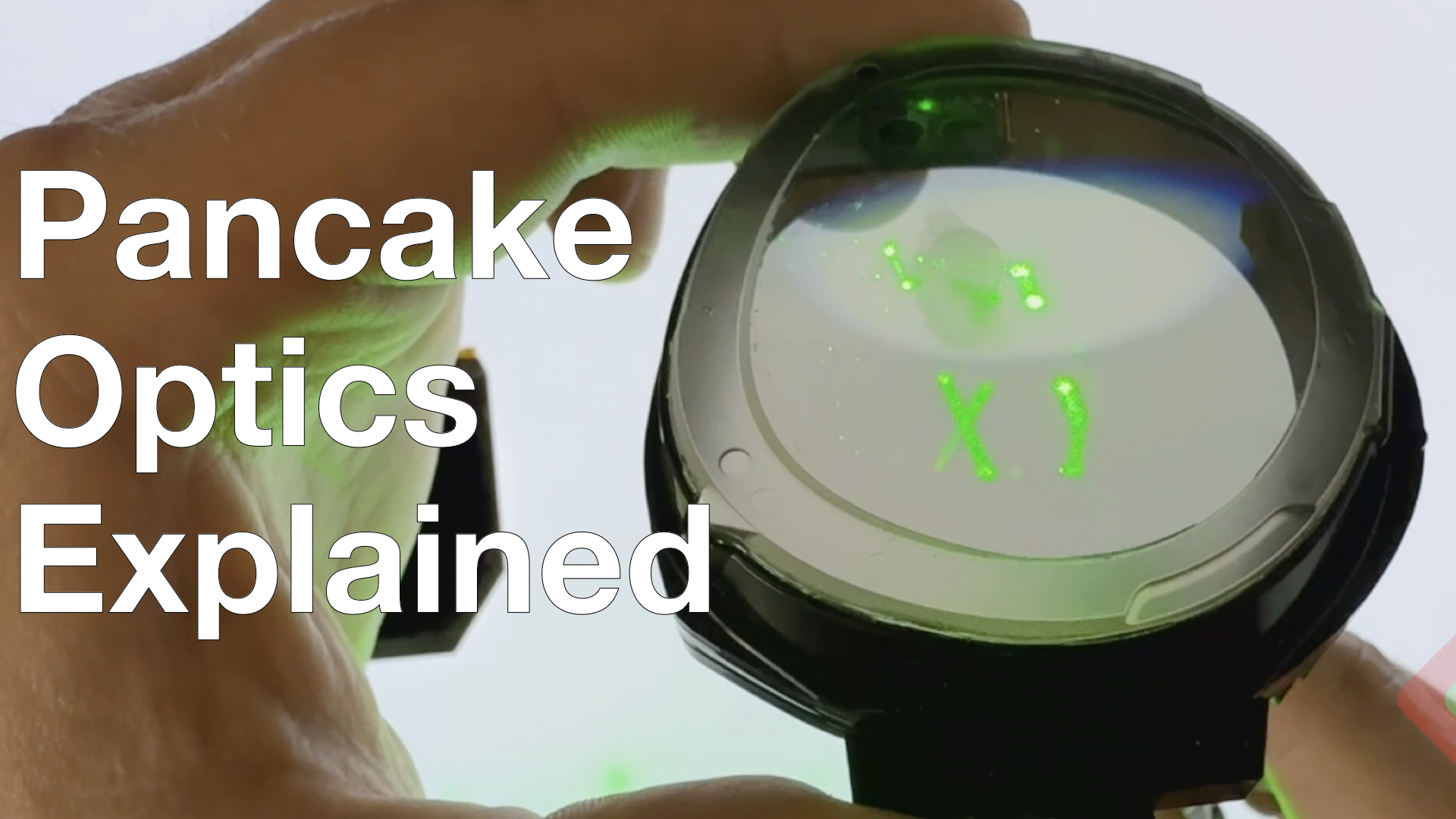
Only 2 years late to the party, we break into the Meta Quest 3 to see not necessarily the first application of pancake optics in a consumer device, but certainly the best value… Meta first introduced these optics in the Meta Quest Pro, but with a price 3x higher and a lower resolution display (but…
-
Meta Ray-Ban Display Glasses – Optical Analysis
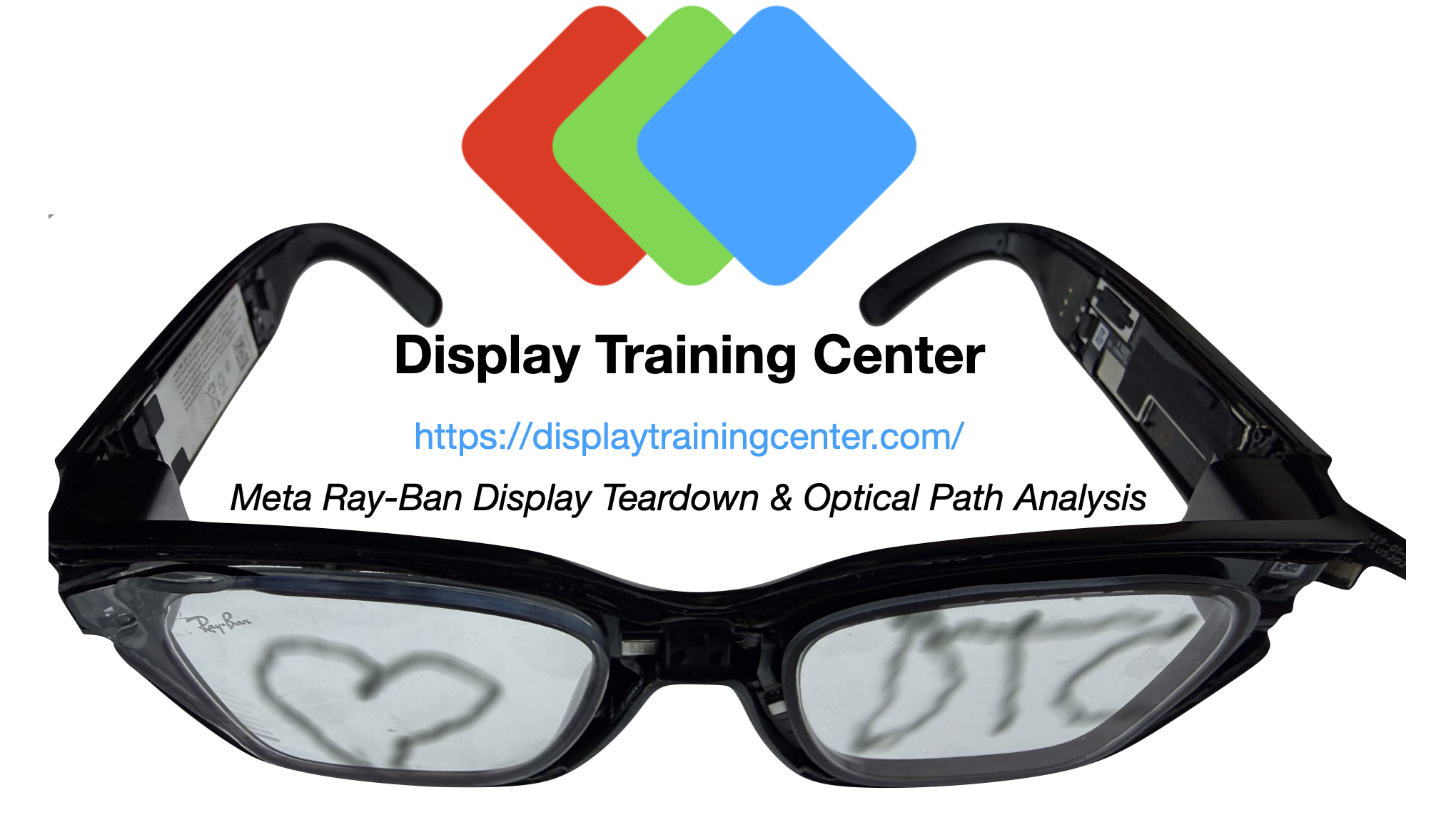
Today we finally break into the Meta Ray-Ban Displays, arguably the most polished version of heads-up display (HUD) glasses we have seen so far. Meta has opted to buck the trend for both the display panel and the waveguide, using a liquid crystal on silicon (LCOS) projector instead of the microLED versions we’ve seen in…
-
INMO Go Glasses – Full Teardown
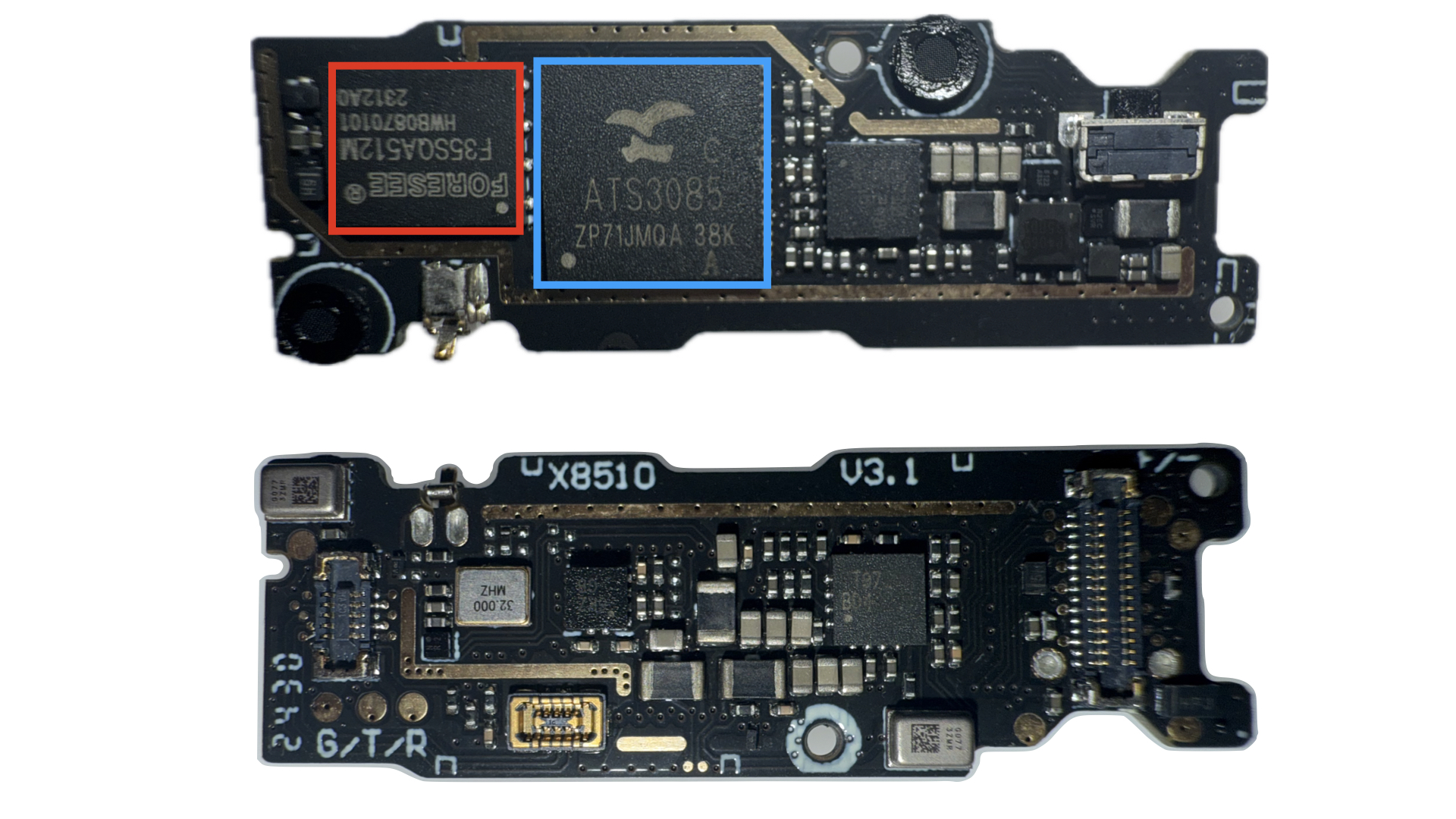
The main teardown starts with the front of the INMO Go’s, by removing the front of the faceplate (and the attached magnetic shade) and revealing the two lenses (including our waveguide in the right eye), a long flex cable connecting the two temples and an interesting cavity right above the nose bridge. The space here…
-
INMO Go AR Glasses – Teardown and Optical Analysis
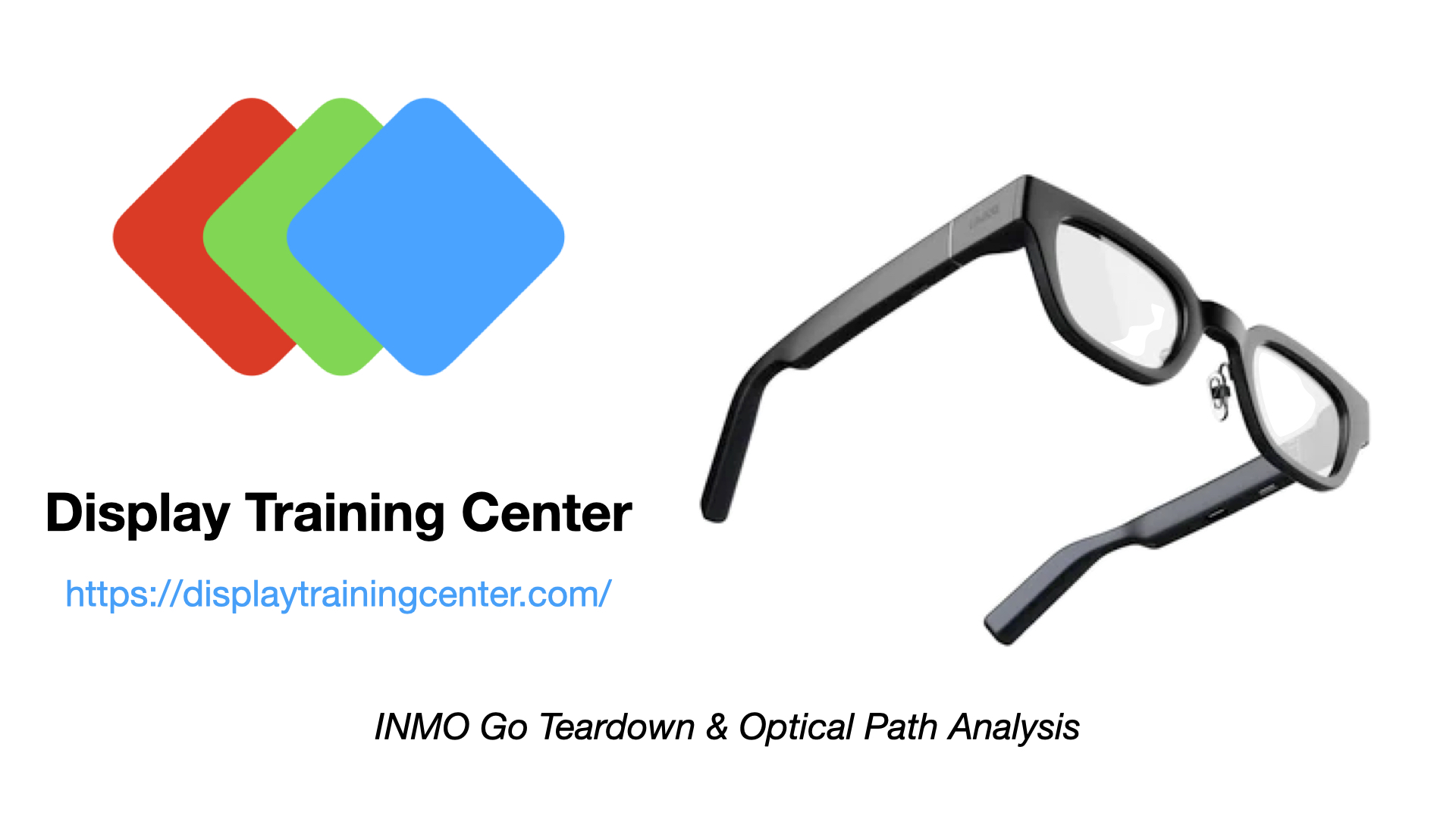
Our next teardown is the INMO Go AR Glasses, one of the first glasses to truly tackle an AR design without severely light-lossy optical elements used to project an image like the display glasses from Rokid, Xreal, and many others. This is the first time we are seeing a microLED display in one of these…
-
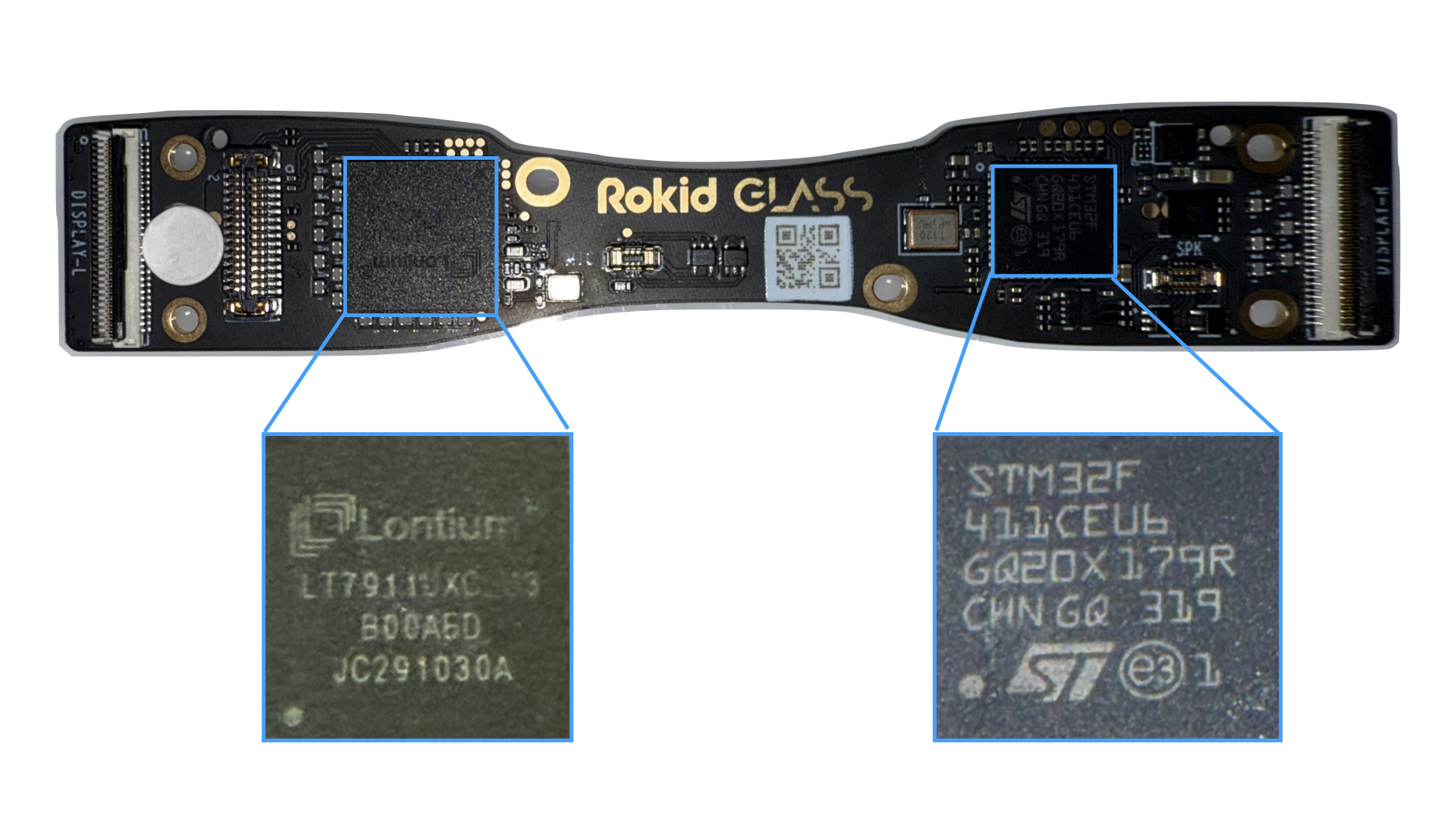
Rokid Max AR Glasses – Full Teardown
[Note: this is updated a month later than intended… you can thank Ron and Kasha at microLED Connect for the delay!] We’ll start this tear-down with the outer coverings around the nose bridge which houses the two static-tint front lenses. The lenses are likely polycarbonate, but we don’t have any clear material markings here to…
-
Rokid Max AR Glasses – Teardown and Optical Analysis
Our next teardown is the Rokid Max AR Glasses, despite chronologically being one of the earlier display glasses on the market. It’s likely fair to say a few of the brands we’ve already looked at (aka Viture…) took heavy inspiration from this initial design. This is most apparent with the diopter adjustment mechanism, as well…
-
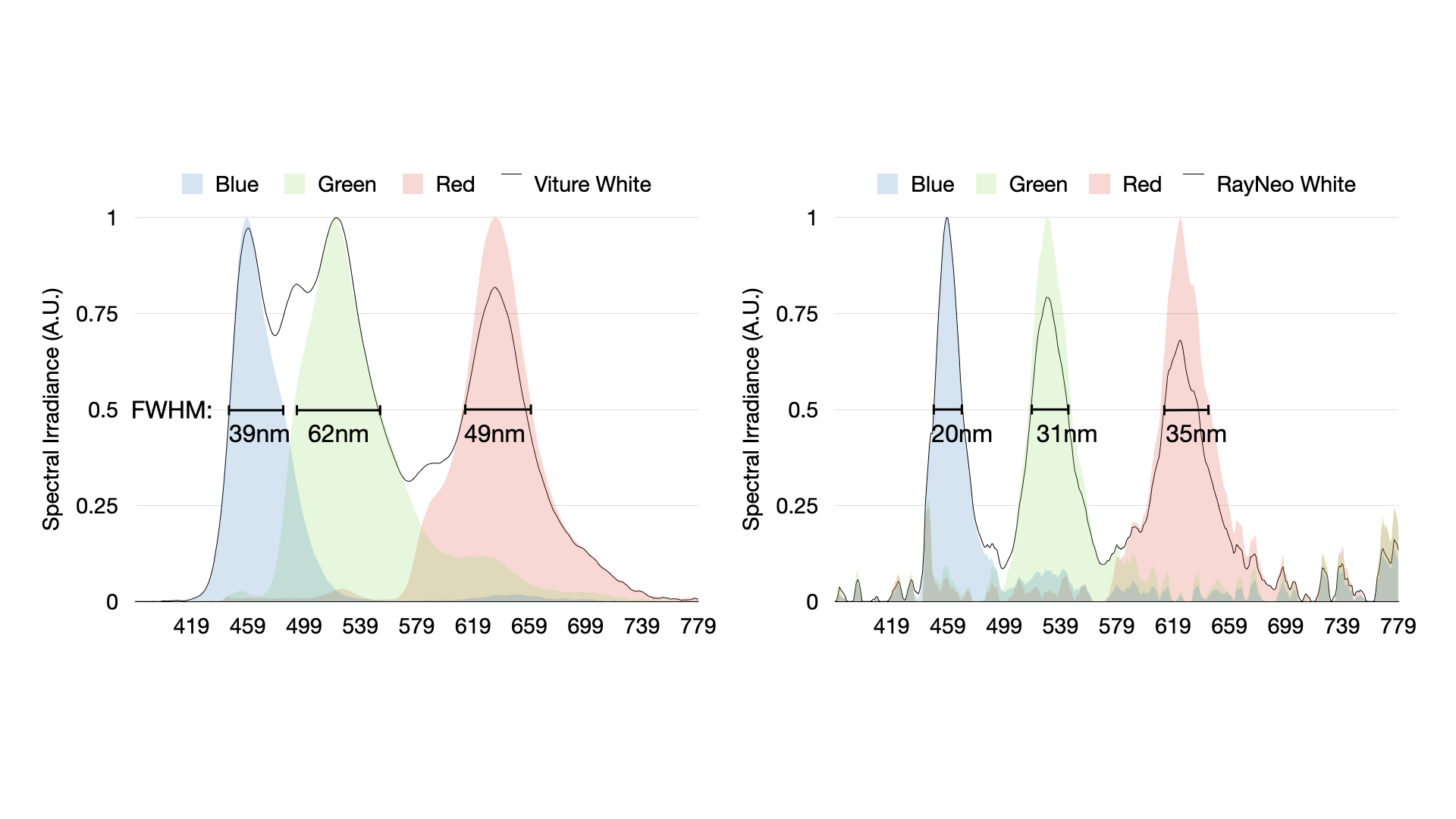
Display Glasses – Power Draw and OLED Emission Spectrum Measurement
Two of the more important metrics I’ve wanted to quantify for display glasses are the power draw of these headsets, as well as the actual display emission spectra which tells us quite a bit about the overall color performance and content reproducibility of the displays – below is a (not so brief) intro to how…
-
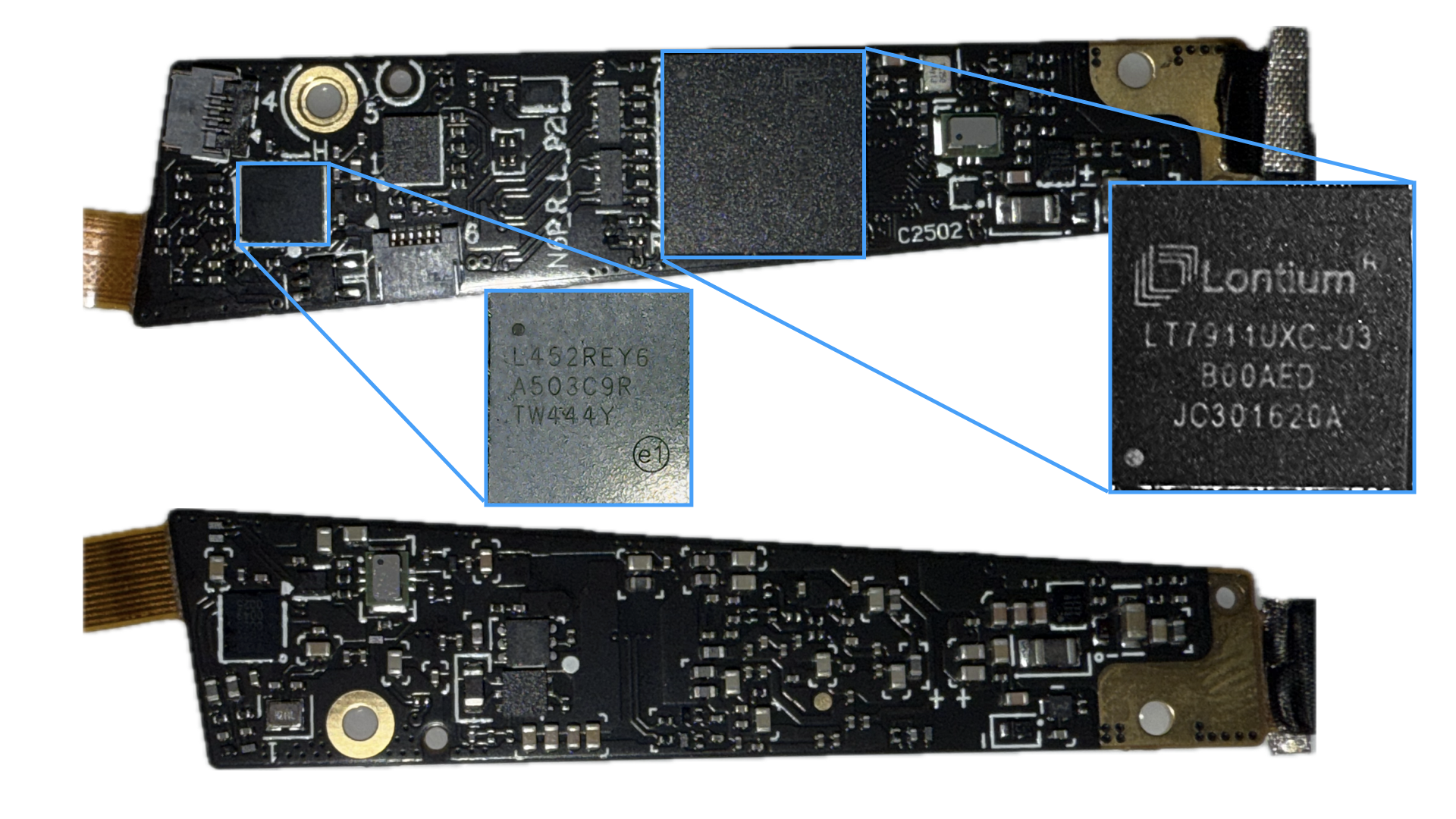
Viture Pro XR Glasses – Full Teardown
We’ll start this tear-down with the outer face-plate which houses two front lenses, likely polycarbonate with some graded tinting towards the brow. The plate itself seems to be the same AZ91D magnesium alloy that the outer halves of the temple are made of, but the markings are not easily found anywhere on the piece. The…
-
Viture Pro XR Glasses Teardown and Optical Analysis
Our next teardown is the Viture Pro XR Glasses, a set of glasses that’s have been out for about a year. While the display and optics solution are similar to almost all other glasses of this form factor, there are two main differentiation points at a price point very similar to our previous teardowns (<$300):…
-
RayNeo Air 3S – Full Teardown
While we’ve already looked at the Air 3S’ optics here, given the extensive teardown we had to do to access the lens and display modules I thought it was prudent to take a look at all of the other components that make up the glasses. To start, we can take a look at the outer…